

New Scientist Live
Saturday 18th to Monday 20th October 2025
New Scientist Live, held annually at ExCeL in London, has become a regular part of our microscopy outreach programme. It attracts a much larger number of visitors than any of our other outreach events, several thousand this year.
Robert Ratford organised our stand and brought lots of microscopes and specimens. He was there on all three days, supported by Gordon Brown, Steve Brown, Andy Chandler-Grevatt, Jude Dean, Steve Durr, Paula Irvine, Kelvin Law, Mark Papp, Stephen Parker, Samuel Ratford, Chris Thomas and Alan Wood.
We had a large number of visitors over the three days of the festival, including crowds of children, families, scientists and retired people. We hope that some of them will come to our meetings, excursions or outreach events, or join the Club, the Anglian Microscopy Group or the Milton Microscopy Group.
We aimed to engage children, and so most of our microscopes were small Elikliv digital microscopes with a built-in screen; these are available from sources such as Amazon, eBay and AliExpress.
Robert’s live specimens included larvae of three beetles (giant mealworms (Zophobas morio), sun beetles (Pachnoda marginata) and mealworms (Tenebrio molitor)) and silkworms (caterpillars of Bombyx mori).
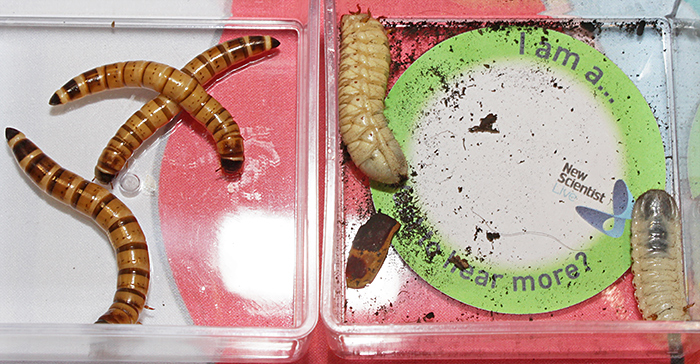 Giant mealworms (left) and sun beetle larvae
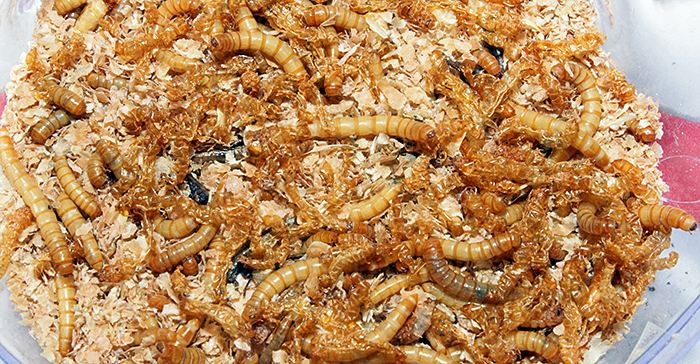 Mealworms
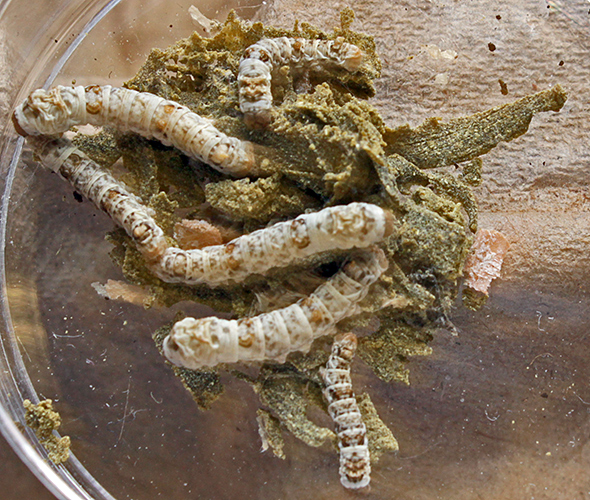 Silkworms
Aquatic specimens included Tubifex worms, copepods, water fleas, shrimps, algae and small snails.
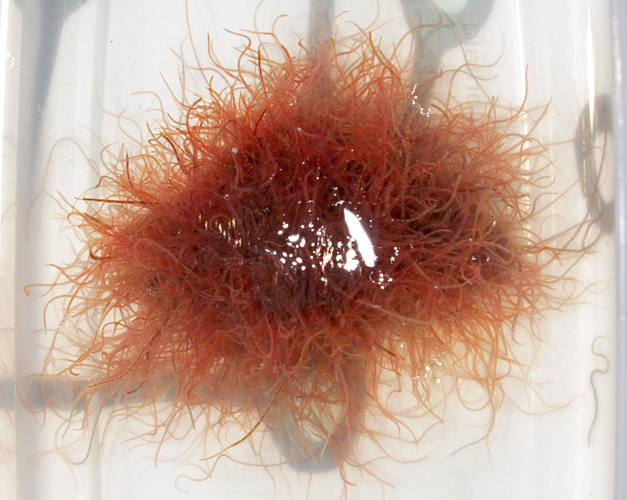 Tubifex worms
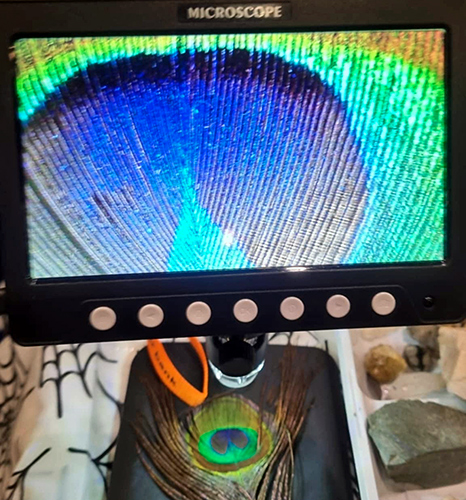 Peacock feather [by Robert Ratford]
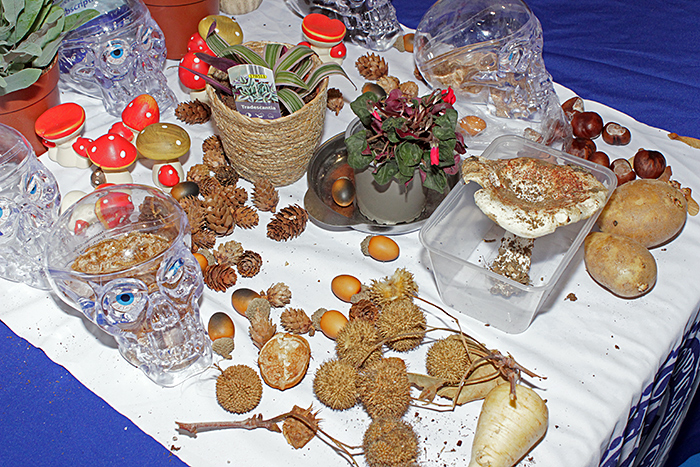 Autumnal specimens
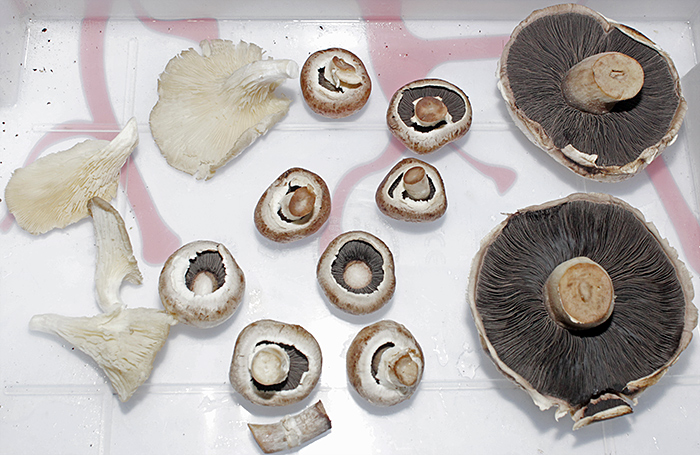 Mushrooms
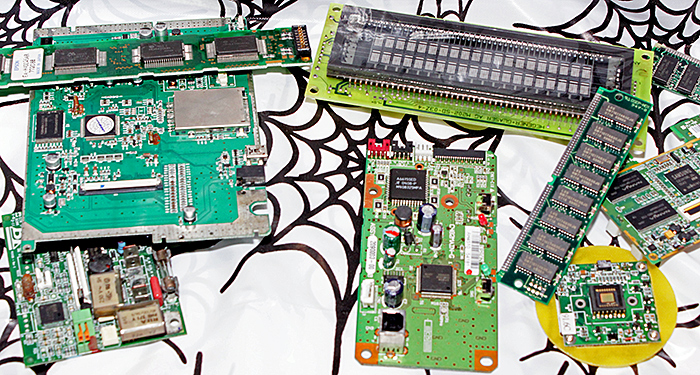 Circuit boards
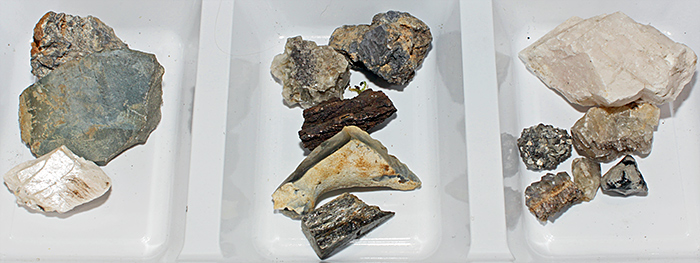 Rocks
Rocks
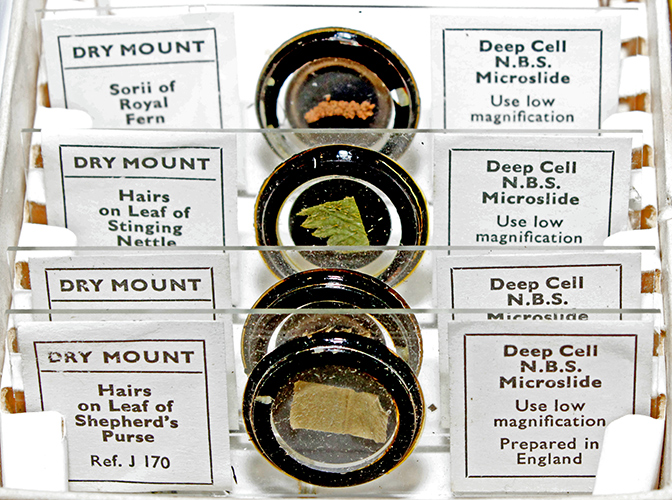 Dry mounts
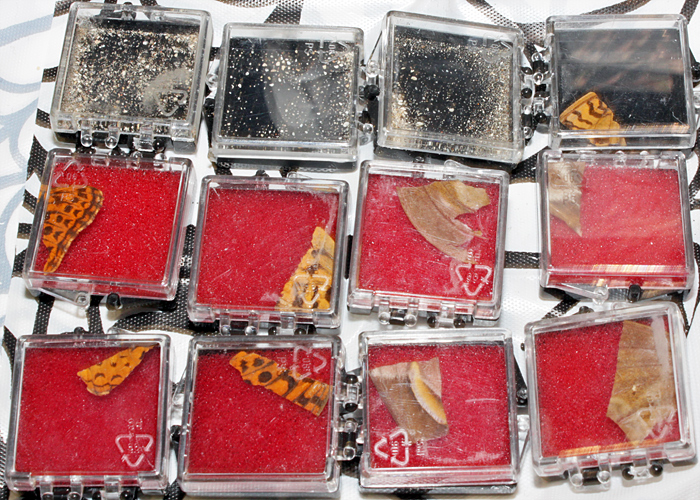 Sand and butterfly wings
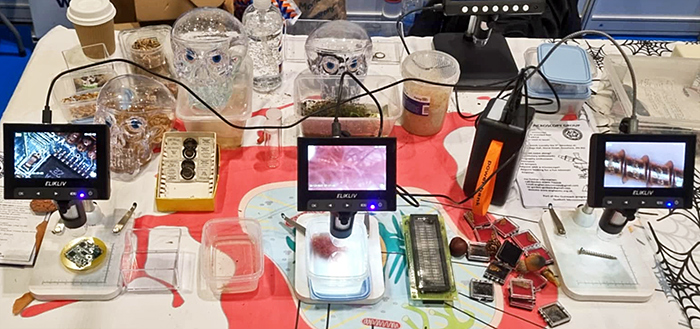 Elikliv digital microscopes [by Robert Ratford]
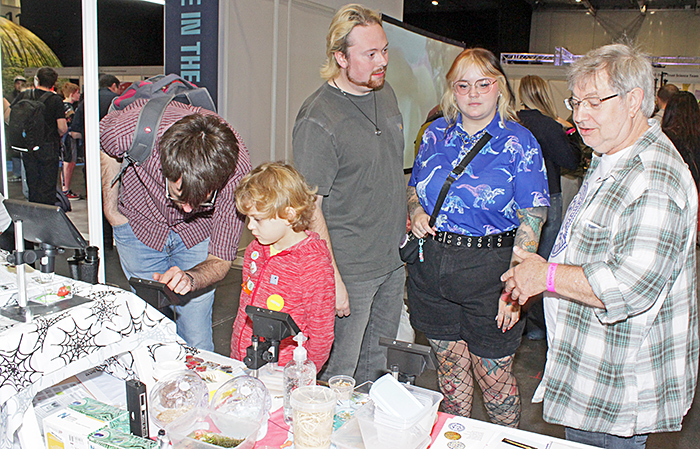 Robert Ratford (right) with visitors
Gordon Brown used a binocular Wild M11 compound microscope to show some of the slides that he has made, and a digital microscope to show a slide of pear rust (Gymnosporangium sabinae). Digital microscopes often have poor stands, so Gordon showed the stand of a Nikon stereo microscope with an adapter to hold an Andonstar digital microscope; his specimen was seeds of black henbane (Hyoscyamus niger).
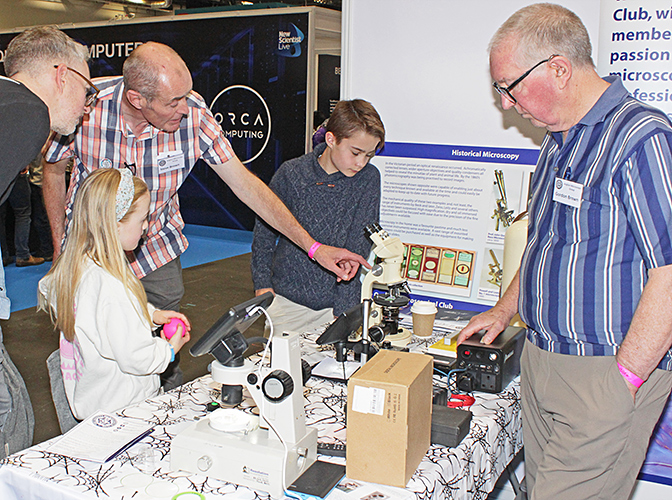 Steve Brown and Gordon Brown (right) with visitors
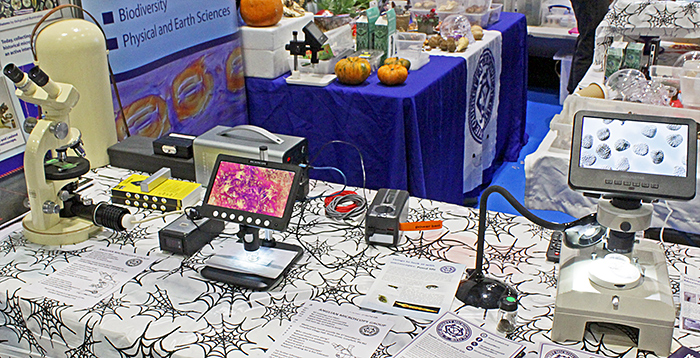 Gordon’s exhibit
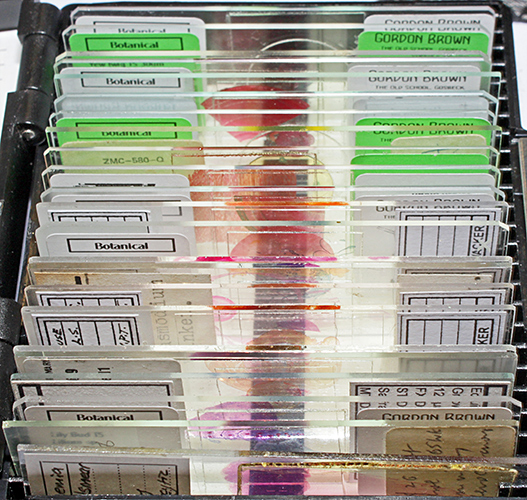 Gordon’s slides
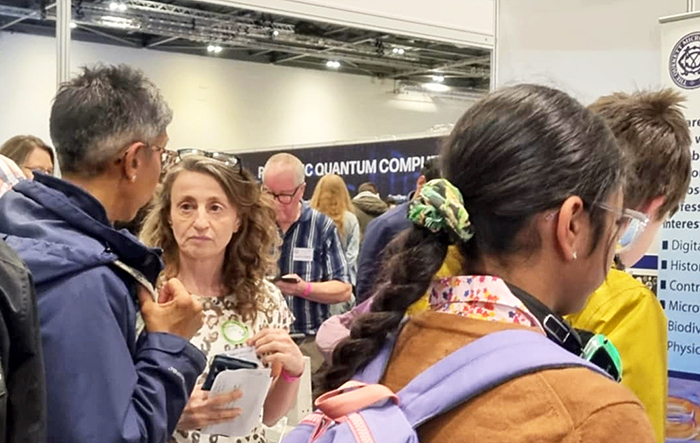 Paula Irvine with visitors [by Robert Ratford]
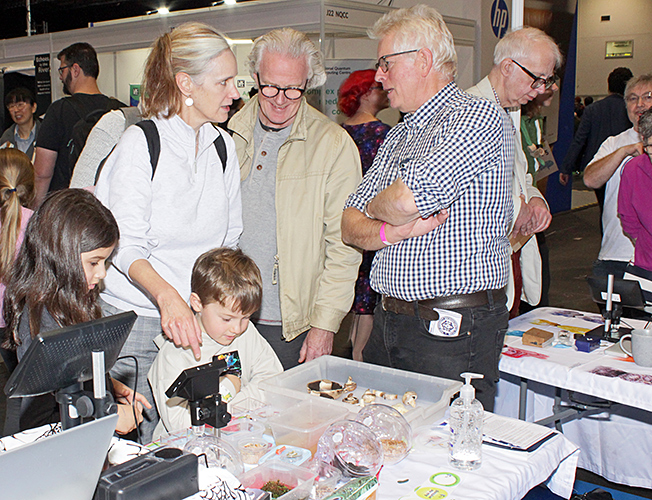 Kelvin Law with visitors
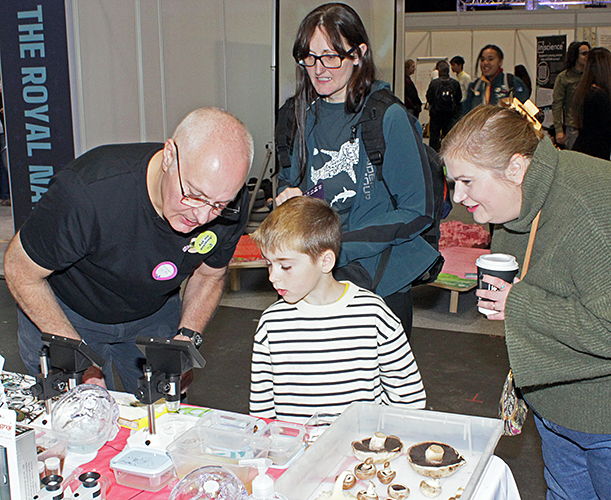 Mark Papp with visitors
Stephen Parker used some small digital microscopes, a simple Russian stereo microscope and an inverted metallurgical microscope to show a variety of rock specimens and printed circuits. The inverted microscope was a Monolynx made by Gillett & Sibert, which runs from dry batteries housed in the body.
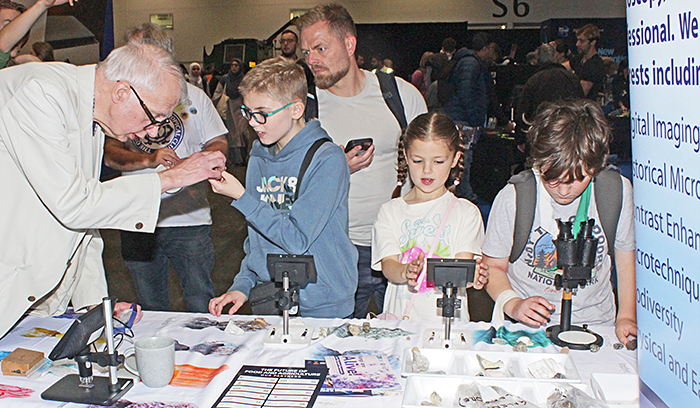 Stephen Parker with visitors
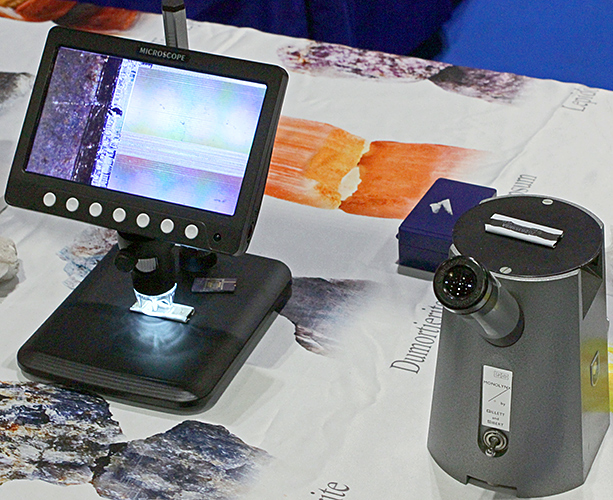 Stephen’s exhibit
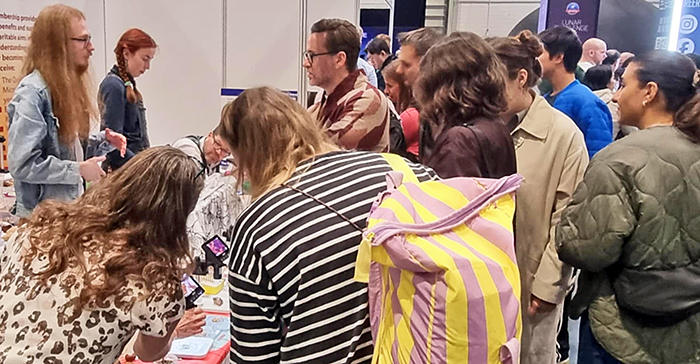 Samuel Ratford (left) with visitors [by Robert Ratford]
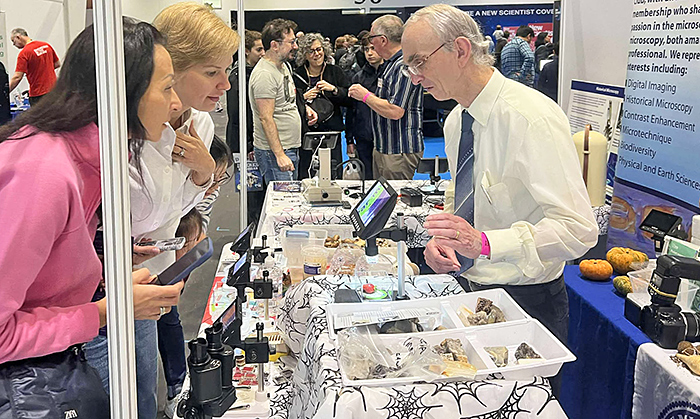 Alan Wood with visitors [by Andy Chandler-Grevatt]
Andy Chandler-Grevatt, assisted by Judy Dean, demonstrated his moss safari techniques. He provided moss samples standing in water, and showed visitors how to use a pipette to collect a small sample of water from the moss and then examine it under a compound microscope. The microscope used a USB eyepiece camera to show images on a laptop computer. He and Judy found several invertebrates, including a tardigrade (water bear).
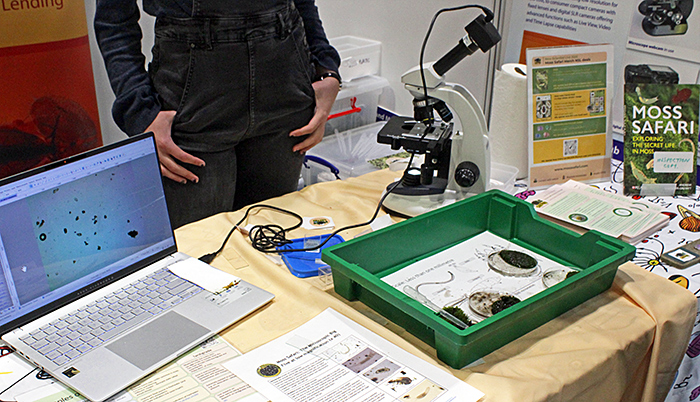 Moss Safari
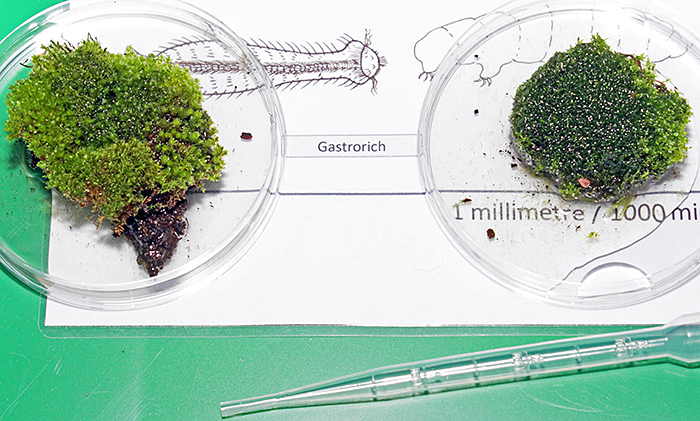 Moss from Andy’s roof
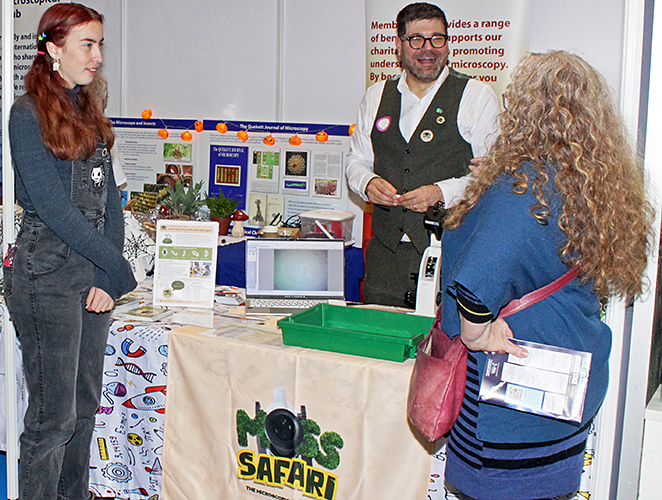 Jude Dean and Andy Chandler-Grevatt
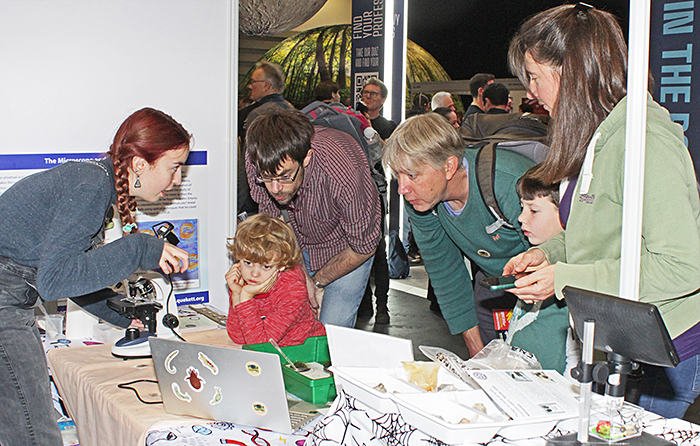 Jude Dean with visitors
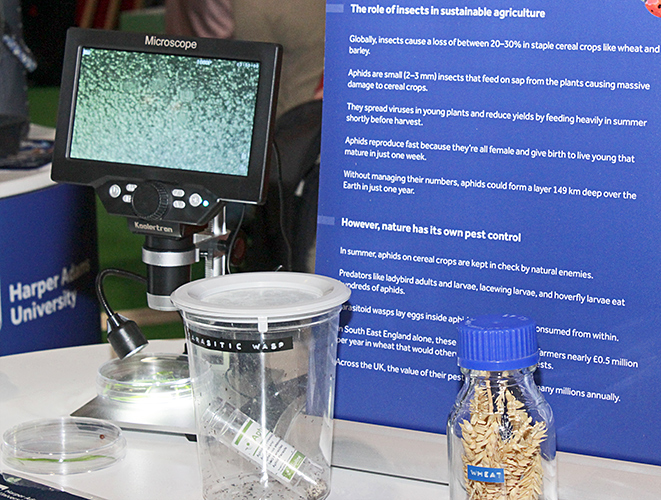
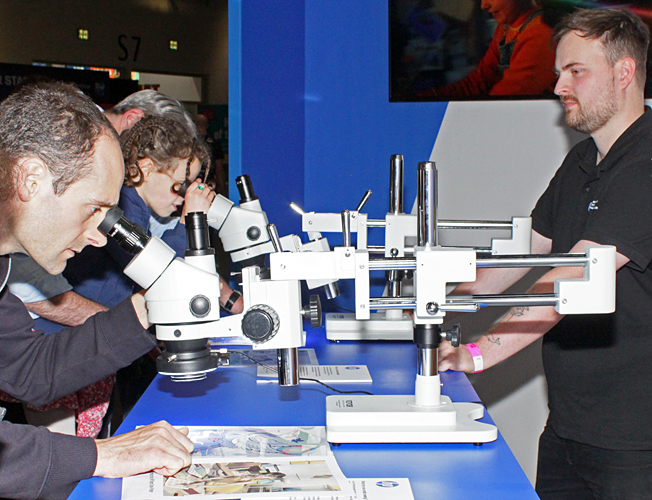
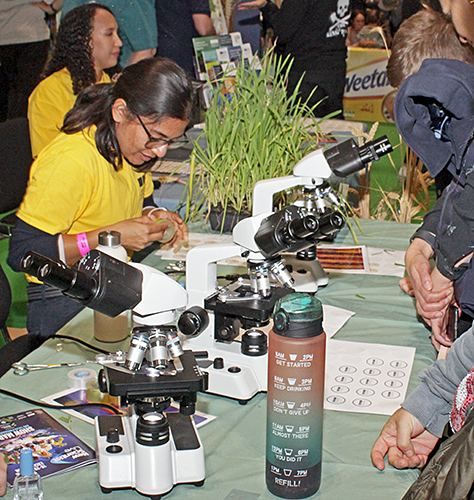
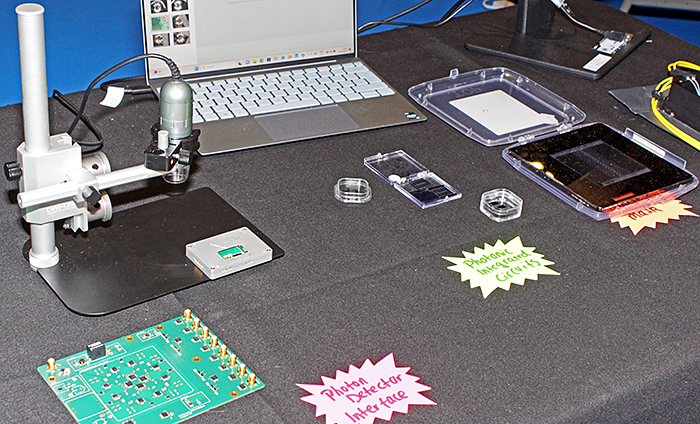
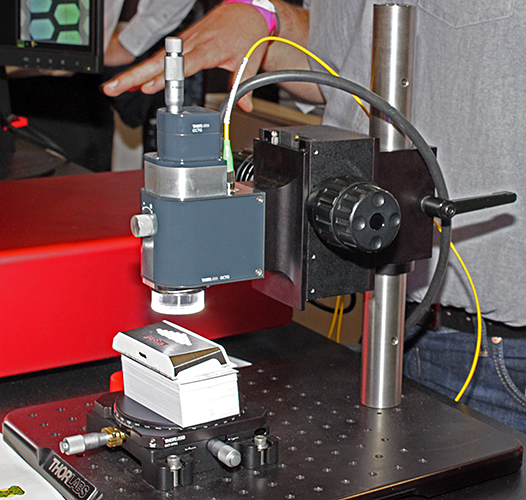
We were not the only stand with microscopes; several other exhibitors were using them too.
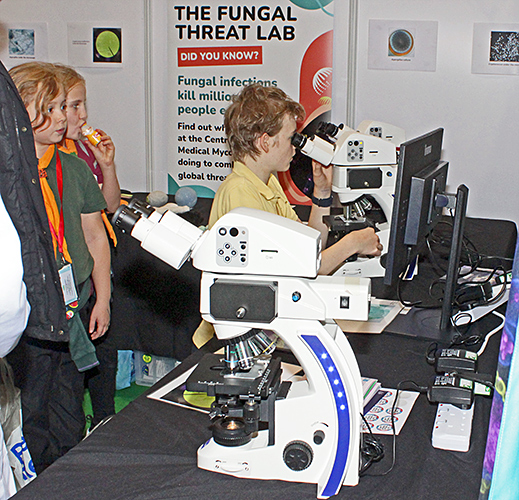
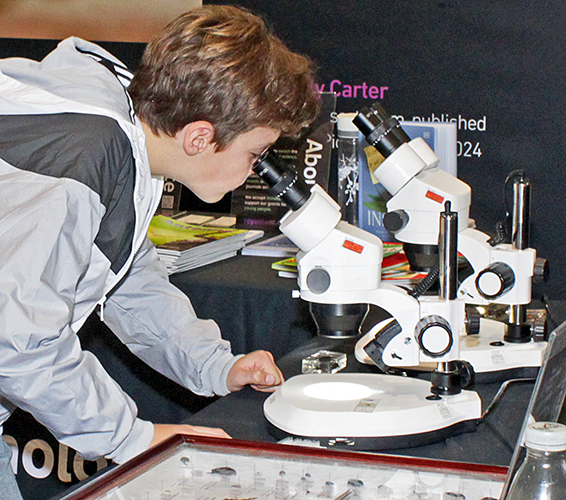
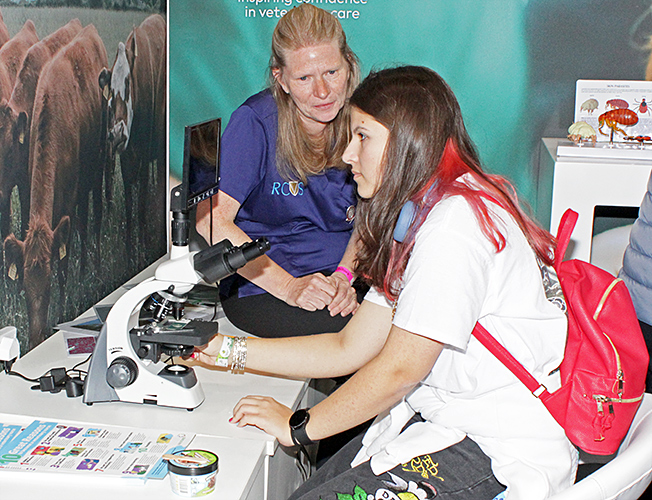 Royal College of Veterinary Surgeons
We have already booked a stand at New Scientist Live next year, Saturday 10th to Monday 12th October 2026.
Report by Alan Wood, photos by Alan Wood, Andy Chandler-Grevatt and Robert Ratford